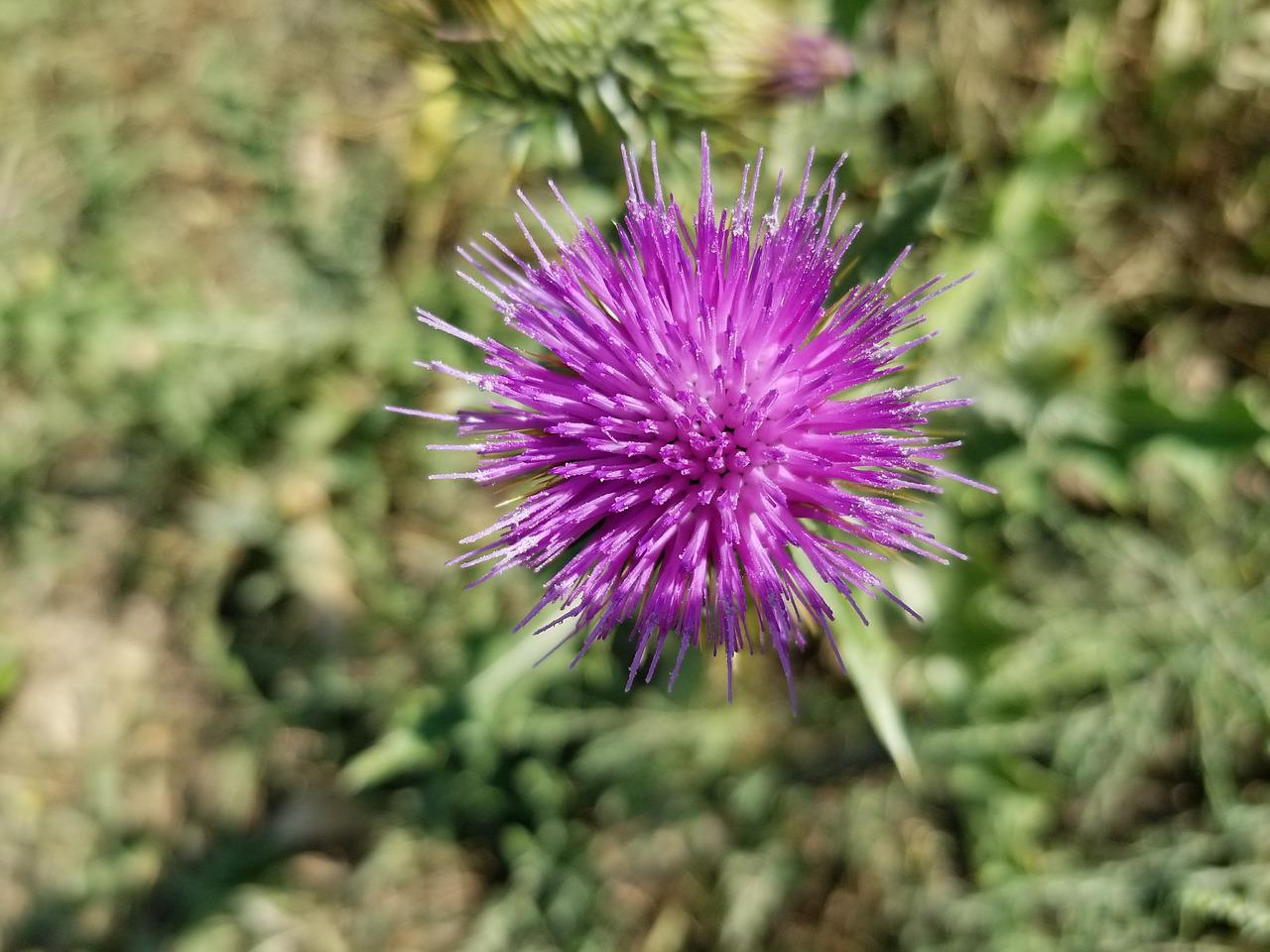
You Are Responsible for Controlling Noxious Weeds
Montana law requires property owners to control noxious weeds and prevent them from spreading.
Effective weed management requires ongoing effort. Most infestations cannot be eliminated in a single season and must be monitored and treated over time.
Where to Start
Whether you have a small patch along a fence line or a larger infestation across a pasture, the steps below give you a practical starting point. The goal is to work smart — small infestations are far cheaper and easier to handle than large ones.
-
1Walk your property and map what you find
Take a walk with your phone or a paper map and note where weed patches are, how large they are, and what species you are seeing. Photos help. If you are not sure what you found, the identification page can help, or call the Weed District and we will come out to look with you.
-
2Prioritize smaller or newer infestations first
It may feel like tackling the biggest problem first makes sense, but small new patches are almost always easier and cheaper to eliminate. Left alone, a small patch becomes a large one. Contain larger infestations while you work toward eliminating them over time.
-
3Choose the right method — or combination of methods
No single method works for every weed or every situation. The most effective approach, called integrated weed management, combines two or more methods timed to the weed's growth stages. See the Control Methods section below and the Weed Reference table for guidance on specific weeds.
-
4Reseed any bare or disturbed ground
Weeds thrive in bare soil. After any control effort — or any ground disturbance from construction, grading, or grazing — reseed with desirable species as quickly as possible. Healthy competitive vegetation is one of your best long-term defenses. See the Revegetation Policy for approved seed mixes.
-
5Follow up — every season
Weed seeds can remain viable in the soil for years. A patch that appears to be gone this summer may reappear next spring from seeds already in the ground. Plan to return and treat any regrowth. Adjust your approach if the method you chose is not producing results.
-
6Keep your equipment clean
Seeds travel on vehicle tires, mower blades, ATV undercarriages, boots, and even animal fur. Wash equipment after working in weed-infested areas before moving to clean ground. This single habit prevents a great deal of spread.
Control Methods
Tap any method below to learn how and when it works, and which weeds it is best suited for. Using a combination of methods — timed to the plant's growth stages — produces far better results than relying on any single approach.
Prevention is the least expensive form of weed control. Stopping a weed before it arrives on your property saves far more time and money than removing an established infestation.
- Clean all equipment — vehicles, mowers, ATVs, trailers — before moving from weed-infested areas to clean ground. Seeds attach easily to tires, undercarriages, and soil clumps.
- Use only certified weed-free seed when reseeding pastures, lawns, or disturbed areas.
- Transport only certified weed-free hay onto your property. Hay is one of the most common ways weed seeds travel long distances.
- Keep irrigation ditches clear of weeds. Screen irrigation water intakes when possible to prevent seeds from traveling along ditches.
- Avoid overgrazing. Bare, compacted soil from overstocked pastures is one of the most common causes of weed establishment.
- If livestock move between weed-infested and clean areas, hold them in a pen long enough to pass any seeds they may have consumed before releasing them onto clean pasture.
- Reseed any ground that is disturbed — construction, grading, road work, or overgrazing — as quickly as possible. See the Revegetation Policy.
- Rotate crops between species with different growing periods to reduce weed pressure and break weed cycles.
Hand pulling is most effective on small or scattered infestations and on annual or biennial weeds that do not regrow from root fragments. It is often the right first response when you catch a new patch early.
- Pull weeds before they flower and set seed. Once seeds form, pulling still prevents spread but the plant's reproductive work is already done.
- Remove as much of the root as possible. Weeds with a taproot — like spotted knapweed — can resprout if the crown is left in the ground. Use a hand tool to dig the root out rather than snapping the stem.
- Do not hand pull weeds that spread by root fragments, such as Canada thistle or leafy spurge. Breaking the root stimulates new growth from each fragment left in the soil.
- Bag and dispose of pulled plants — do not leave them on the ground. Even a pulled plant can continue to ripen seeds already formed.
- Wear gloves. Some weeds, including spotted knapweed, contain compounds that can irritate skin. Canada thistle spines are sharp.
- Reseed the pulled area promptly to prevent bare soil from being recolonized.
Mowing can weaken weeds by forcing them to draw on root reserves at critical growth stages, but timing matters greatly and varies by species. Mowing at the wrong time can actually stimulate regrowth or allow a plant to re-flower below the mower blade.
- The most effective window for most weeds is the bolting stage — when the stem is elongating rapidly, just before the plant flowers. Mowing at this point forces the plant to expend stored root energy on regrowth.
- Repeated mowing over multiple seasons can gradually deplete root reserves and reduce a population, but rarely eliminates it on its own.
- Mowing does not work well for weeds that spread by underground rhizomes — such as Canada thistle — because it does nothing to limit root spread and can actually stimulate vegetative growth.
- Do not mow spotted knapweed or houndstongue. These plants adapt by continuing to bloom at shorter and shorter heights with each mowing, producing seeds close to the ground where the mower cannot reach them.
- Weeds that respond poorly to mowing include: yellow toadflax, leafy spurge, meadow hawkweed, orange hawkweed, noble yarrow, and oxeye daisy.
- Clean mowing equipment thoroughly after use in infested areas to prevent seed spread to new locations.
Burning is a targeted tool, not a broad-area solution. Its effectiveness depends on the heat intensity, the maturity of the seeds, and careful application. It should be used sparingly and with caution.
- The most appropriate use of burning is targeting mature seed heads on individual plants using a propane torch — directing the flame at the flower head to destroy seeds before they drop, while minimizing damage to surrounding vegetation.
- Burning off dead material from the previous season can be useful as preparation for an herbicide application in spring — clearing the old growth so the herbicide reaches actively growing new plants.
- Burning destroys seeds on the plant but does not destroy seeds already in the soil. A weed population's seed bank in the soil can persist for years regardless of burning.
- Dry, mature seeds are more heat resistant than green seeds. High-intensity sustained heat is required to reliably destroy them.
Biological control uses insects or other organisms that feed specifically on a target weed to reduce its population over time. It is a long-term maintenance tool, not a quick fix, and works best on large acreage properties as part of a broader integrated management program.
- Biocontrol is generally not practical for small residential properties. It is most useful for large rangeland, timber, or agricultural parcels.
- Results vary by year and by site conditions. Biocontrol will not eradicate a weed — it reduces population pressure over time when combined with other methods.
- The Flathead County Weed District purchases a limited supply of biocontrol agents each year for tansy ragwort, spotted knapweed, and leafy spurge. Landowners can request these agents at no cost — call the office to check availability.
- Using several insect species together, combined with herbicide or other controls, produces the best results.
- The same agents available through the county can also be purchased through local suppliers if county supply is exhausted.
Herbicides are one of the most effective tools available, particularly for established infestations or weeds that cannot be controlled by mechanical methods alone. Choosing the right product, applying it at the right time, and following label instructions closely are all essential to getting results and minimizing unintended impacts.
- Spring application is most effective for most weeds — when plants are actively growing and readily absorbing what they take in through their leaves and roots.
- Fall application is also effective for spotted knapweed, Canada thistle, and oxeye daisy. Around the first hard overnight frost, these plants begin moving energy down to their roots in preparation for dormancy. Herbicide applied at this time travels with that energy deep into the root system, producing excellent results.
- Selective herbicides target only specific weed species and will not harm nearby grasses. These are the appropriate choice for pastures, roadsides, and anywhere vegetation is desired.
- Non-selective herbicides kill any plant they contact. Use these only in areas where all vegetation is to be removed, such as driveways, gravel lots, or fallow cropland.
- A surfactant added to the spray mix helps the herbicide stick to and penetrate waxy or hairy leaf surfaces. This significantly improves results on hawkweeds and toadflax.
- The county offers spray equipment rentals for landowners. See below.
- Staff at the Weed District can advise you on which herbicide to use, how much to apply, application method, and protective equipment. Call before you buy.
- Always read and follow the product label. The label is the law.
Grazing removes weed top growth and, over time, can weaken root systems and prevent seed formation — similar in effect to mowing. However, it must be managed carefully. Overgrazing creates exactly the conditions weeds need to thrive.
- Do not turn livestock out too early in spring. Early grazing damages desirable pasture grasses before they establish competitive growth, leaving bare soil for weeds to fill.
- Never overgraze. Overstocked pastures and compacted soil from too many animals are among the most common causes of persistent noxious weed problems in Flathead County.
- Goats are an exception — they can graze some weeds that are toxic to horses and cattle, and are used effectively on certain problem species. Contact the Weed District for guidance on goat grazing programs.
- Horses can reduce seed production of Canada thistle, but will not reduce a thistle patch because the plant's underground rhizome system expands regardless of grazing pressure.
- Weeds that cannot be effectively controlled by grazing include hawkweeds, houndstongue, and yellow toadflax — due to toxicity concerns or plant structure.
- After grazing in weed-infested areas, hold animals in a clean pen long enough to pass any consumed seeds before moving them to uninfested ground.
Spray Equipment Available to Rent
100-Gallon or 200-Gallon Skid Mounted Sprayer
(100-Gallon sprayer is 32" W x 37" H x 72" L)
$50 Daily Rental
- Pick up between 8:30am and 9:00am
- Return between 4:00pm and 4:30pm
$75 Weekend Rental
- Pick up Friday between 8:30am and 9:00am
- Return Monday (Tuesday if Monday is a holiday) between 8:00am and 8:15am
3 Gallon Backpack Sprayer
$15 Two-Day Rental
Weed & Method Reference
Use this section to look up which control methods are recommended for a specific weed. Each table shows all seven methods with a rating based on Montana State University Extension guidance and Flathead County Weed District experience.
Note: Cells marked indicate ratings that should be verified with the Weed District before acting. Conditions, timing, and property type can all affect which method is appropriate.
| Method | Rating | Notes |
|---|---|---|
| Prevention | Clean equipment; use weed-free seed and hay; reseed disturbed ground immediately | |
| Hand Pulling | Effective only on small new patches; must remove taproot crown; wear gloves; bag all material | |
| Mowing | Not recommended — plant adapts by flowering shorter with each mowing, producing seed below blade height | |
| Burning | Targeted torch on seed heads only; does not address roots or soil seed bank | |
| Biocontrol | Several agents available (root weevils, seed flies); best on large acreage; contact Weed District for free agents | |
| Herbicide | Highly effective; best in spring (active growth) or fall around first hard frost; selective herbicides preferred in pastures | |
| Grazing | Some reduction in seed production possible; does not eliminate plant; overgrazing worsens knapweed pressure |
| Method | Rating | Notes |
|---|---|---|
| Prevention | Avoid soil disturbance; reseed promptly; prevent seed movement via equipment or hay | |
| Hand Pulling | Not effective — root fragments left in soil each grow into new plants; pulling stimulates spread | |
| Mowing | Reduces seed production but does not limit rhizome spread; can stimulate vegetative growth; repeated timing required | |
| Burning | May reduce top growth temporarily; does not affect underground rhizome system | |
| Biocontrol | Some agents exist; verify current availability and effectiveness with Weed District | |
| Herbicide | Most effective tool; apply in spring (active growth) or fall around first hard frost for best translocation to roots; repeated treatments required | |
| Grazing | Horses can reduce seed production but will not shrink a patch due to rhizome expansion; goats may be more effective |
| Method | Rating | Notes |
|---|---|---|
| Prevention | High priority in Flathead County — report all known infestations to Weed District | |
| Hand Pulling | Effective on small patches; pull before flowering; do not compost — alkaloids persist in dead plant material; bag and dispose | |
| Mowing | Reduces seed spread if timed before flowering; clip and bag seed heads later in season; does not eliminate plant | |
| Burning | Used to burn mature seed heads in specific situations; follow with herbicide treatment when regrowth appears | |
| Biocontrol | Biocontrol agents available through Weed District at no cost; best for remote or riparian areas not accessible by vehicle | |
| Herbicide | Herbicide is Flathead County's first line of defense for tansy ragwort; contact Weed District — all known landowners are asked to submit a management plan | |
| Grazing | Toxic to horses and cattle — do not use grazing as a control method; goats may be used in some situations under guidance |
| Method | Rating | Notes |
|---|---|---|
| Prevention | Seeds attach to animals and clothing (velcro-like burrs) — check gear and animals after moving through infested areas | |
| Hand Pulling | Effective in early rosette stage; remove taproot; wear gloves — plant contains toxic alkaloids | |
| Mowing | Not recommended — plant adapts and continues flowering; seeds already formed are spread by mower | |
| Burning | Verify with Weed District for current guidance on burning houndstongue in your situation | |
| Biocontrol | Verify availability with Weed District | |
| Herbicide | Effective; apply in rosette stage before bolting; contact Weed District for product recommendations | |
| Grazing | Toxic to horses and cattle; contains pyrrolizidine alkaloids similar to tansy ragwort |
| Method | Rating | Notes |
|---|---|---|
| Prevention | Spreads by both seed and creeping roots; avoid soil disturbance in infested areas | |
| Hand Pulling | Not effective — extensive root system; root fragments regrow; pulling stimulates spread | |
| Mowing | Does not respond well to mowing; plant resprouts vigorously from roots | |
| Burning | Verify with Weed District | |
| Biocontrol | Some agents exist; verify current availability and effectiveness with Weed District | |
| Herbicide | Most effective tool; add a surfactant to the mix — toadflax has waxy leaves that resist absorption without it; repeated treatments required | |
| Grazing | Not suitable for grazing control due to plant structure and toxicity concerns |
| Method | Rating | Notes |
|---|---|---|
| Prevention | Extremely aggressive spreader — seeds viable for 8+ years; report new infestations immediately | |
| Hand Pulling | Not effective — deep, extensive root system; any root fragment left behind resprouts; wear gloves — milky sap irritates skin | |
| Mowing | Not effective; does not respond well to mowing; stimulates regrowth | |
| Burning | Can temporarily reduce top growth; does not affect deep root system; use only as preparation for herbicide | |
| Biocontrol | Flea beetles (Aphthona spp.) are effective on large infestations over time; biocontrol agents available through Weed District | |
| Herbicide | Most effective tool; requires specific herbicides — contact Weed District for product guidance; repeated multi-year treatment required | |
| Grazing | Goats and sheep can graze leafy spurge effectively; toxic to horses and cattle; contact Weed District for guidance on goat programs |
| Method | Rating | Notes |
|---|---|---|
| Prevention | Spreads by windborne seed and stolons; avoid moving soil from infested areas | |
| Hand Pulling | Possible on very small patches; must remove stolons and root crown; difficult to fully eradicate by hand | |
| Mowing | Does not respond well to mowing; plant resprouts from stolons and basal rosette | |
| Burning | Verify with Weed District | |
| Biocontrol | Verify current availability with Weed District | |
| Herbicide | Most effective tool; add surfactant — hairy leaves resist absorption; apply in spring during active rosette growth | |
| Grazing | Cannot be effectively controlled by grazing due to low-growing rosette structure |
| Method | Rating | Notes |
|---|---|---|
| Prevention | Often spreads from ornamental plantings — avoid planting; check incoming soil and plant material | |
| Hand Pulling | Possible on very small patches; same challenges as meadow hawkweed — stolons and rosette regrow readily | |
| Mowing | Does not respond well to mowing; resprouts from stolons | |
| Burning | Verify with Weed District | |
| Biocontrol | Verify with Weed District | |
| Herbicide | Most effective tool; use surfactant; same timing as meadow hawkweed | |
| Grazing | Not suitable for grazing control |
| Method | Rating | Notes |
|---|---|---|
| Prevention | New to Flathead County's list; early detection and reporting is the priority | |
| Hand Pulling | Verify with Weed District — contact office if you believe you have found noble yarrow | |
| Mowing | Does not respond well to mowing | |
| Burning | Verify with Weed District | |
| Biocontrol | Verify with Weed District | |
| Herbicide | Verify product and timing with Weed District | |
| Grazing | Verify with Weed District |
| Method | Rating | Notes |
|---|---|---|
| Prevention | Often escapes from ornamental plantings; avoid planting in or near natural areas | |
| Hand Pulling | Effective on small patches; must remove root crown; can resprout if crown left in ground | |
| Mowing | Does not respond well to mowing; resprouts readily | |
| Burning | Verify with Weed District | |
| Biocontrol | Verify with Weed District | |
| Herbicide | Effective; fall application around first hard frost is an option alongside spring; contact Weed District for product guidance | |
| Grazing | Some grazing pressure possible; effectiveness limited; verify with Weed District |
Weed Management Plan
A Weed Management Plan is a written record of how you intend to control noxious weeds on your property. It documents the methods you will use, the species being targeted, and the timing of your control efforts across the growing season.
Having a plan on file with the Weed District matters for several reasons:
- It demonstrates good-faith compliance with Montana noxious weed law.
- It is required for any developer prior to final plat approval in Flathead County.
- It is required for anyone planning ground disturbance — new roads, utility installations, or construction.
- It gives you a working document to adapt as you see what is and is not working on your land.
The Weed District currently has approximately 3,000 active management plans on file. The Education & Compliance Officer can meet you on site to help you complete yours. Contact us to confirm current terms and validity period before submitting.
Download the full county weed management plan. This document covers the county's goals, the complete Flathead County noxious weed list, control methods, pesticide procedures, revegetation policy, compliance and enforcement, and all required forms including the Invasive Plant Management Form, No-Spray Agreement, and Soil Disturbance Form.
Download PDFFrequently Asked Questions About weed Management Plans
If you have been contacted by our office or the Office of the County Attorney because noxious weeds have been identified on your property, this form is required by Montana state law: TITLE 7 CHAPTER 22 Part 21 2116&2132
The required form is located on our website under Forms & Documents.
The notification system is time-based. In some cases, a Weed Management Plan may not have been received or processed before a follow-up notice was mailed.
The County Weed District does not have a financial assistance program. We can provide information and technical assistance and direct you to cost-share programs with other agencies. However, there are no programs available that will cover 100% of the cost of noxious weed treatment. Contact our office for more information.
Flathead County requires reseeding after any ground disturbance to prevent new weed establishment. The Revegetation Policy — including approved seed mixes from the Flathead Conservation District — is included in the management plan above, or contact the Weed District office for a printed copy.
Montana Weed Laws
Noxious weed control in Montana is governed by state law. Landowners have a legal obligation to manage noxious weeds on their property. For the full text of the relevant statutes, see Montana Code Annotated Title 80, Chapter 7.
Frequently Asked Questions
Yes. You may access the Montana statute at: https://www.leg.mt.gov/bills/mca/title_0070/chapter_0220/part_0210/section_0160/0070-0220-0210-0160.html
There is no one-size-fits-all herbicide. Herbicides are labeled for specific plants, locations, and conditions. Some products can be used near water, while others cannot. Some may damage trees or desirable vegetation.
Before applying herbicide, make sure you have correctly identified the weed and reviewed the site conditions. Always read and follow the product label. The label is the law.
Roundup is a non-residual, non-selective herbicide that will kill whatever vegetation it makes contact with. When using any herbicide it is vitally important to read and follow label directions, including safety precautions. THE LABEL IS THE LAW. For more information please see the EPA website information regarding Roundup at https://www.epa.gov/ingredients-used-pesticide-products/glyphosate
Mowing or cutting spotted knapweed by itself is not considered an effective management method. Spotted knapweed can adapt to repeated mowing by flowering below the mower blade.
Mowing may be useful as part of an integrated management plan, but the goal is to prevent noxious weeds from propagating or going to seed.
Herbicide treatments can fail for several reasons, including poor timing, incorrect product selection, improper mixture rates, old or frozen product, or equipment calibration issues.
- Timing: Many noxious weeds are best treated in spring before flowering. Some species may also be treated after the first overnight frost in fall.
- Product: Different herbicides work on different weeds and locations. Correct identification matters.
- Seed bank: Many noxious weeds have seeds that remain viable in soil for years, so repeated annual management is often needed.