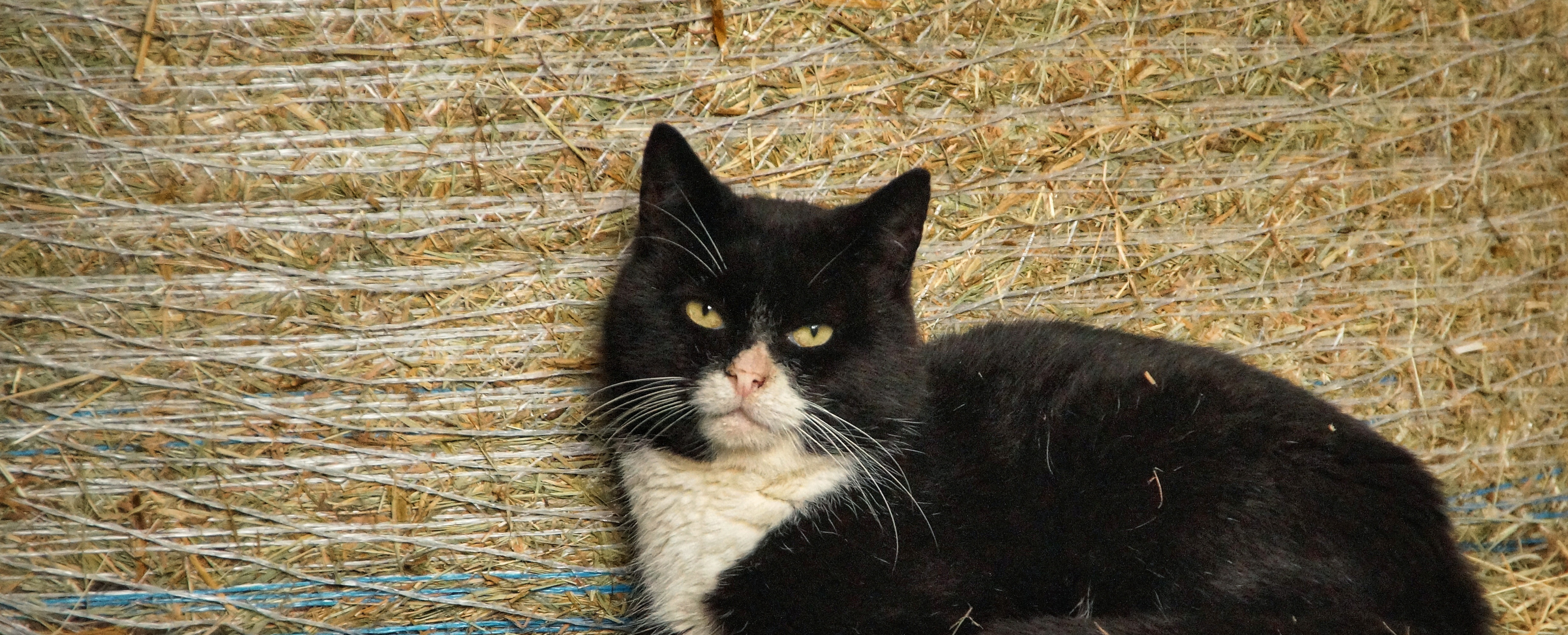
What Is a Working Cat?
A working cat, sometimes called a barn cat or farm cat, is a cat that lives primarily outdoors. These cats may be feral, semi-social, or simply more independent than a typical housecat.
Working cats usually do best in barns, shops, warehouses, rural properties, or other outdoor environments where they have shelter, food, water, and space.
The Working Cat Program places cats that are not suited for indoor homes into safe outdoor environments such as barns, shops, warehouses, and rural properties.
These cats are typically less social with people but can thrive in working environments while helping provide natural rodent control.
Working cats may avoid human contact, prefer not to be handled, and thrive when allowed to live more independently. In exchange, they can help provide natural rodent control.
Is a Working Cat Right for You?
Adopters are responsible for providing consistent food, fresh water, and shelter, even though the cat may remain largely independent.
A working cat may be a good fit if you can provide:
- A barn, shop, warehouse, or outdoor shelter area
- Daily food and fresh water
- A safe place protected from weather and predators
- Time for the cat to acclimate before release
- Respect for the cat’s boundaries and personality
Working cats are not traditional pets. These cats may avoid human interaction and should not be expected to behave like indoor companion animals.
How the Program Works
The Working Cat Program places cats who are not well suited for indoor homes into safe outdoor environments. These cats still need care, but they may not want the same level of handling or attention as a typical pet cat.
FCAS staff can help determine whether a working cat may be a good fit for your property and explain what to expect before placement.
Every working cat is different. Some cats may become more comfortable with people over time, while others may remain mostly independent. Take their lead and let them adjust at their own pace.
Veterinary Care Before Placement
At the time of adoption or placement, working cats receive basic veterinary care through FCAS.
- Rabies and FVRCP vaccinations
- Spay or neuter surgery
- Microchip identification
- Deworming
- Ear tipping
The rabies vaccine given at FCAS is good for one year. Future rabies vaccinations are typically good for three years.
Looking for Trap-Neuter-Return? The TNR Program is separate from the Working Cat placement program.
Learn about the TNR Program
Acclimating a Working Cat
Working cats need time to adjust to their new surroundings before being released. During this acclimation period, the cat should be kept in a secure area such as a tack room, large kennel, or other enclosed space.
FCAS may have kennels available to loan. The kennel should be large enough to hold food, water, a litter box, and dishes.
- The recommended acclimation period is usually 5–7 days.
- The exact length may depend on how the cat responds to the kennel and surroundings.
- Some cats may become stressed, hide, refuse food, or try to escape during this period.
- In colder weather, a shorter acclimation period may be appropriate depending on conditions.
Contact FCAS if you have questions about acclimation or if the cat appears highly stressed.
Releasing the Cat
When it is time to release the cat, open the kennel door during the evening or another quiet time so the cat can leave and explore at its own pace.
- Place food and water close to where the kennel was located.
- If food needs to be moved, move it gradually so the cat can learn the new location.
- After release, some cats may hide for several days or longer.
- You may know the cat is still nearby by watching food and water levels.
Some cats will leave temporarily while exploring the area and may return once they feel more comfortable.
Working Cat Personalities
Working cats have different personalities. Some may warm up over time and become friendly on their own terms. Others may rarely be seen and prefer to avoid people.
Some working cats may be comfortable around other animals such as horses, ducks, or other barn animals. In general, feral or independent cats should be left alone unless they approach you and show they want attention.
The best approach is to provide consistent care, give them space, and let the cat decide how much interaction they want.
How to Participate
- Contact the Animal Shelter to ask about availability
- Discuss your property and environment with staff
- Prepare a safe acclimation space before bringing the cat home
- Follow the recommended acclimation and release process
Interested in a Working Cat?
Contact the Animal Shelter to ask about working cat availability, placement requirements, and whether this program may be a good fit for your property.
Call (406) 752-1310Contact Info
+1 (406) 752-1310
Email Us
+1 (406) 752-1546