Zone 1: Start With the Home
Walk around your home and look for places where embers could enter, collect, or ignite flammable materials.
Distance 0 to 5 feet from the home
Priority Highest priority zone
Main goal Keep embers from finding fuel
Check the Home First
Walls and Siding
- Look for cracks, gaps, and openings in siding, trim, and around windows.
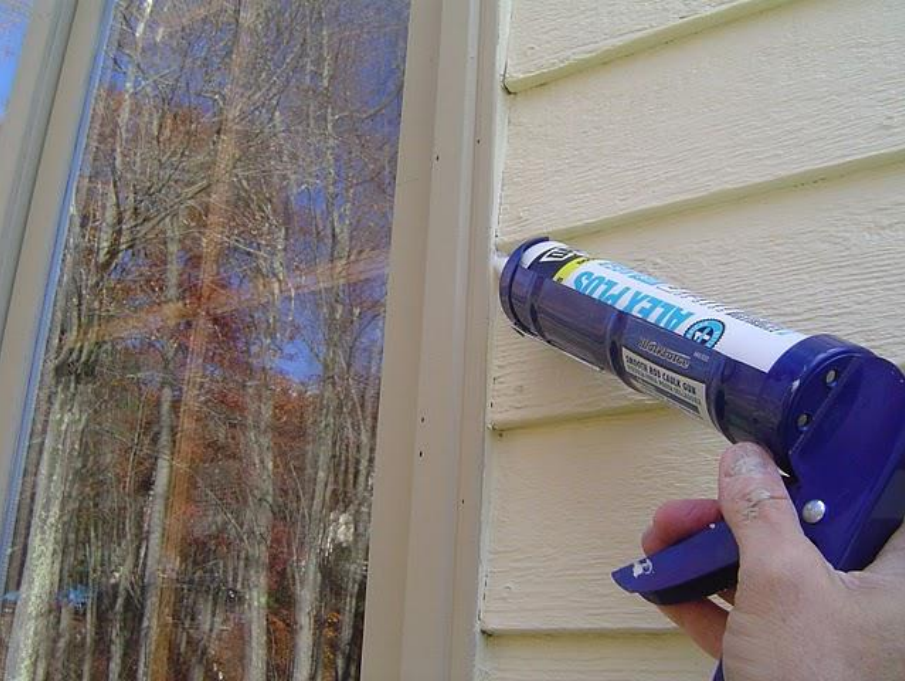
- Seal small gaps with exterior caulk where appropriate.
- Repair damaged siding or trim that could catch embers.
Decks
- Remove leaves, pine needles, and debris from deck boards and framing.
- Check for weathered boards, large cracks, or decayed material.
- Move cushions, welcome mats, planters, hammocks, and other flammable items away when wildfire risk is high.
- Do not store firewood or flammable materials under decks.
Windows and Doors
- Check for cracks, gaps, and debris between screens and windows.
- Clean debris from window wells and screen areas.
- Consider upgrading single-pane windows to multi-pane windows when possible.
- If you evacuate, close all windows and doors.
Eaves, Gables, and Vents
- Check eaves and gables for cracks, gaps, and openings.
- Caulk or repair openings where embers could enter.
- Replace 1/4-inch vent screening with 1/8-inch steel screening where practical.
Roof and Gutters
- Clean leaves, pine needles, and debris from roofs and gutters.
- Remove debris where roof sections, valleys, and gutters collect material.
- Check that roof edges and shingles are maintained and repaired.
Conclusion
Once you have the home ready, the next step is the foundation and the first 5 feet around the home including under the deck. If an ember hits the home and can’t find a place to stay, it falls to the ground. If it falls on a non-combustible surface then it is no threat to your home.
Clear the First 5 Feet
The first 5 feet around your home should be as noncombustible as possible. If embers fall near the foundation, they should land on a surface that does not easily burn.
Use fire-resistant surfaces
- Use gravel, rock, pavers, concrete, or other noncombustible materials near the foundation.
- Avoid bark mulch directly against the home.
- Keep leaves, pine needles, and dry grass away from the foundation.
Under decks and stairs
- Keep these areas clear of stored items.
- Remove firewood, cardboard, cushions, tools, and other combustible materials.
- Use noncombustible ground cover where possible.
Plants near the home
- Choose well-spaced, maintained plants with higher moisture content.
- Remove dead branches, dry leaves, and litter under shrubs.
- Water and maintain plants regularly.
- Keep plants trimmed away from siding, windows, vents, and decks.
Next Steps
Once Zone 1 is maintained, continue working outward to reduce wildfire risk around the rest of your property.